Traditional Unicorn Card – SVG File: A Whimsical 3D SVG for Greeting Card Designers
As a professional graphic designer working frequently with small businesses and handmade brands, I often come across design assets that look charming at first glance but fall short under closer inspection. The Traditional Unicorn Card – SVG File immediately caught my eye with its playful aesthetic and 3D layering. But does it hold up when used in real client projects? Let’s break it down.
First Impressions: A Nostalgic, Whimsical Design
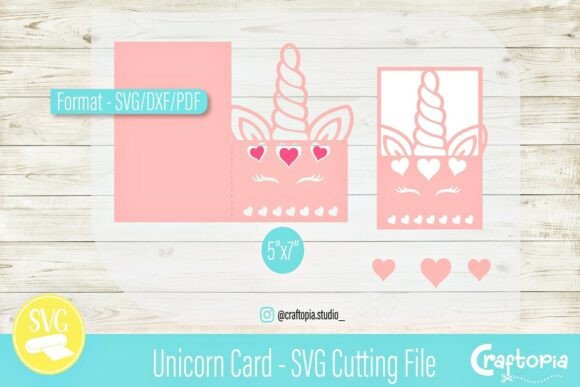
The Traditional Unicorn Card has that classic, storybook charm that feels both nostalgic and contemporary. The unicorn face with a spiral horn, closed lashes, and heart accents gives it a soft, approachable personality. It’s the kind of design that instantly evokes warmth and joy — perfect for greeting cards, invitations, or themed packaging.
This SVG file is clearly aimed at crafters, Etsy sellers, and small business owners who want to add a touch of magic to their visual branding. The 3D effect is subtle but effective, giving it a tactile quality that works well in print-on-demand and Cricut projects.
Visual Style and Client Fit
The style is whimsical and hand-drawn, leaning toward a youthful, feminine audience. It would work beautifully for brands focused on children’s products, boutique stationery, or magical-themed events. Think birthday cards, baby showers, or unicorn-themed merchandise for a local boutique.
From a branding standpoint, this asset could be a supporting element in a larger visual identity system. It wouldn’t be the primary logo or brand icon, but it could serve as a decorative accent or part of a themed collection.
Real-World Use: Where It Shines
In real client work, the Traditional Unicorn Card SVG performs best in the following scenarios:
- Packaging Design: As a decorative accent on gift boxes or greeting card envelopes.
- Printable Designs: Especially effective in Canva templates or printable wall art for children’s rooms.
- Sticker and T-shirt Design: The 3D layering adds depth to vinyl cuts and sublimation prints.
- Social Media Graphics: Works as a themed visual in Instagram stories or Pinterest pins for seasonal campaigns.
- Product Mockups: Looks great on digital mockups for Etsy listings or print-on-demand stores.
It also integrates well into editorial design when used as a themed illustration or sidebar graphic in digital or print newsletters.
Where to Use It Carefully
Despite its charm, this design asset isn’t universally applicable. It should be used with caution in the following situations:
- Small Sizes: The fine details, especially the lashes and heart accents, can get lost when scaled down.
- Minimalist Branding: If your client’s identity leans toward modern, clean design, this may feel out of place.
- Complex Backgrounds: It can easily get swallowed by busy or textured backgrounds.
- Corporate Materials: Not suitable for professional reports, business cards, or formal presentations.
- High-Contrast Needs: May not stand out clearly on low-contrast or neutral color schemes.
In these cases, consider simplifying the layout or using the SVG as a supporting element rather than a focal point.
Visual Hierarchy and Brand Consistency
When integrated thoughtfully, the Traditional Unicorn Card SVG enhances visual hierarchy by drawing attention with its playful energy. It works well as a secondary graphic that supports a primary headline or call to action.
From a brand consistency perspective, it should align with the overall tone of the brand. If the brand is already using pastel tones, soft typography, and illustrated elements, this SVG will fit right in. If the brand is more edgy or modern, it may feel mismatched.
Emotional Appeal and Audience Engagement
This design asset has strong emotional appeal, especially for younger audiences or those who enjoy fantasy and whimsy. It can be used to evoke a sense of nostalgia, innocence, and joy — making it ideal for children’s products, boutique branding, or community events like local fairs or school fundraisers.
On social media, it can help increase engagement by adding a visual hook that stands out in a feed. Paired with the right copy and call to action, it can drive clicks and shares.
Practical Designer Notes
Before using the Traditional Unicorn Card SVG in a client project, here are a few practical checks I always run:
- Test in Black and White: See how the design reads without color — especially important for grayscale printing.
- Check Contrast: Preview on both light and dark backgrounds to ensure visibility.
- Preview at Multiple Sizes: Make sure it doesn’t lose detail at small sizes, especially for stickers or app icons.
- Mockup Placement: Try it on real product mockups to see how it integrates with other design elements.
- Print Quality: If used for physical products, test print to verify line clarity and color accuracy.
- File Format Review: Confirm SVG and PNG versions are included, and check for transparent backgrounds if needed.
- Editability: Open the SVG file in Adobe Illustrator or a Cricut design space to ensure layers are editable.
- Font Pairing: Test with different font styles — works best with script or handwritten fonts, but can pair with sans serif for contrast.
- Licensing: Always verify that the asset includes a commercial license for resale or client use.
Final Thoughts: A Useful Creative Asset for the Right Project
The Traditional Unicorn Card – SVG File is a high-quality, whimsical design asset that brings a touch of magic to any creative project. It’s especially valuable for greeting card designers, Etsy sellers, and small business owners who want to connect emotionally with their audience.
While it’s not a one-size-fits-all solution, it’s a versatile piece that can elevate a design when used strategically. Whether you're creating a themed product line, seasonal campaign, or personalized greeting cards, this SVG is worth considering — especially if you're looking to add a bit of enchantment to your visual storytelling.